🪨 Mulch & Drainage Rocks

Mulch & Drainage Rocks in Armstrong, BC

⭐ 5.0 (31+ reviews) ✓ 9 years in the Okanagan ✓ Free estimates ✓ 7 days/week

Bark mulch and decorative rock are two of the most practical investments you can make in a Armstrong property — and the Okanagan's climate makes both even more valuable. A properly mulched garden bed retains moisture through the dry summer months, suppresses weeds, and keeps root temperatures stable when air temps hit 35°C. Drainage rock, crushed gravel, and river rock create low-maintenance, water-smart landscaping that thrives without irrigation and holds up through Armstrong's winters and hot summers alike. Cool Runnings handles delivery, spreading, barrier installation, edging, and cleanup — from a single garden bed refresh to full xeriscaping projects.

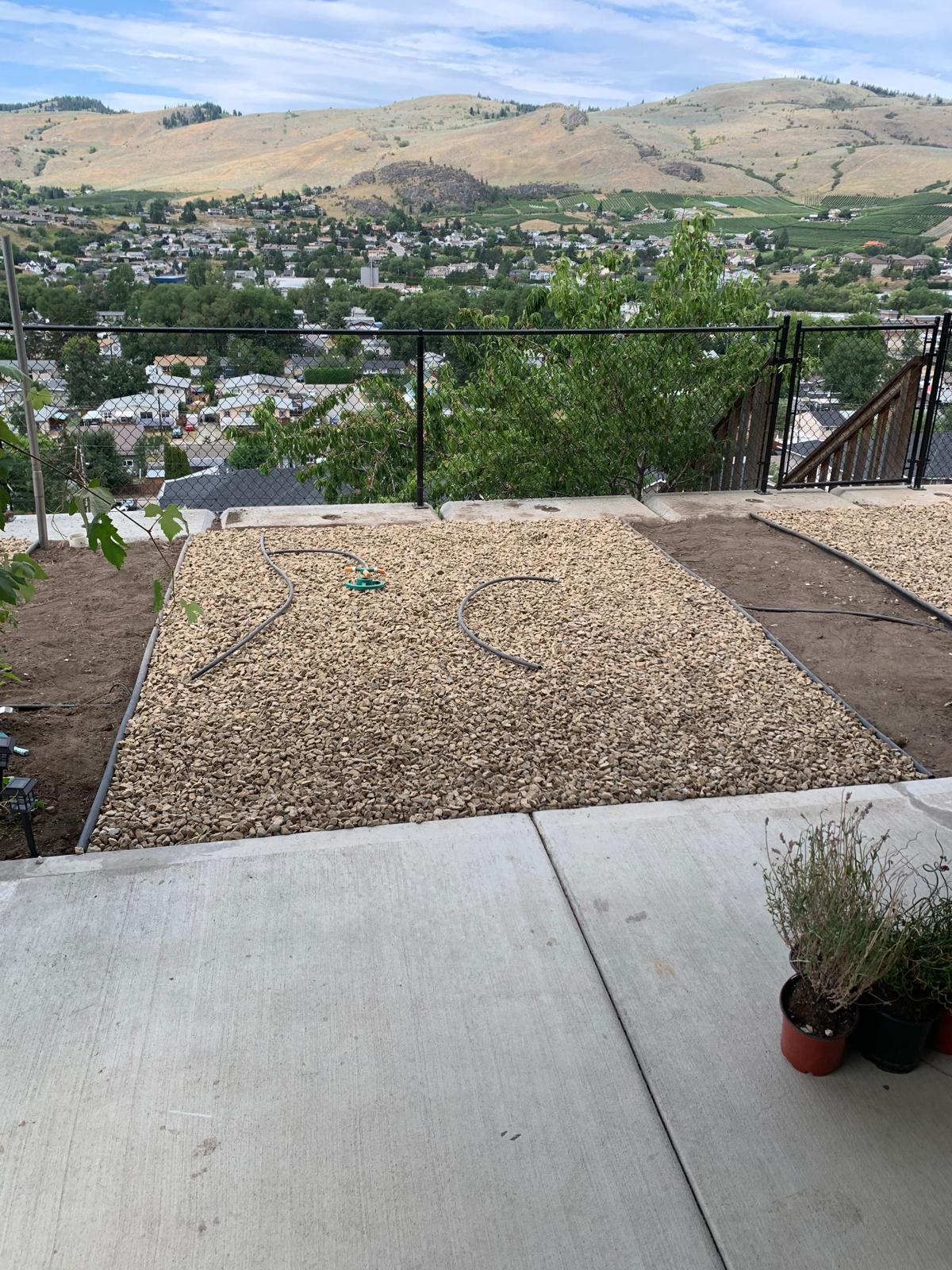
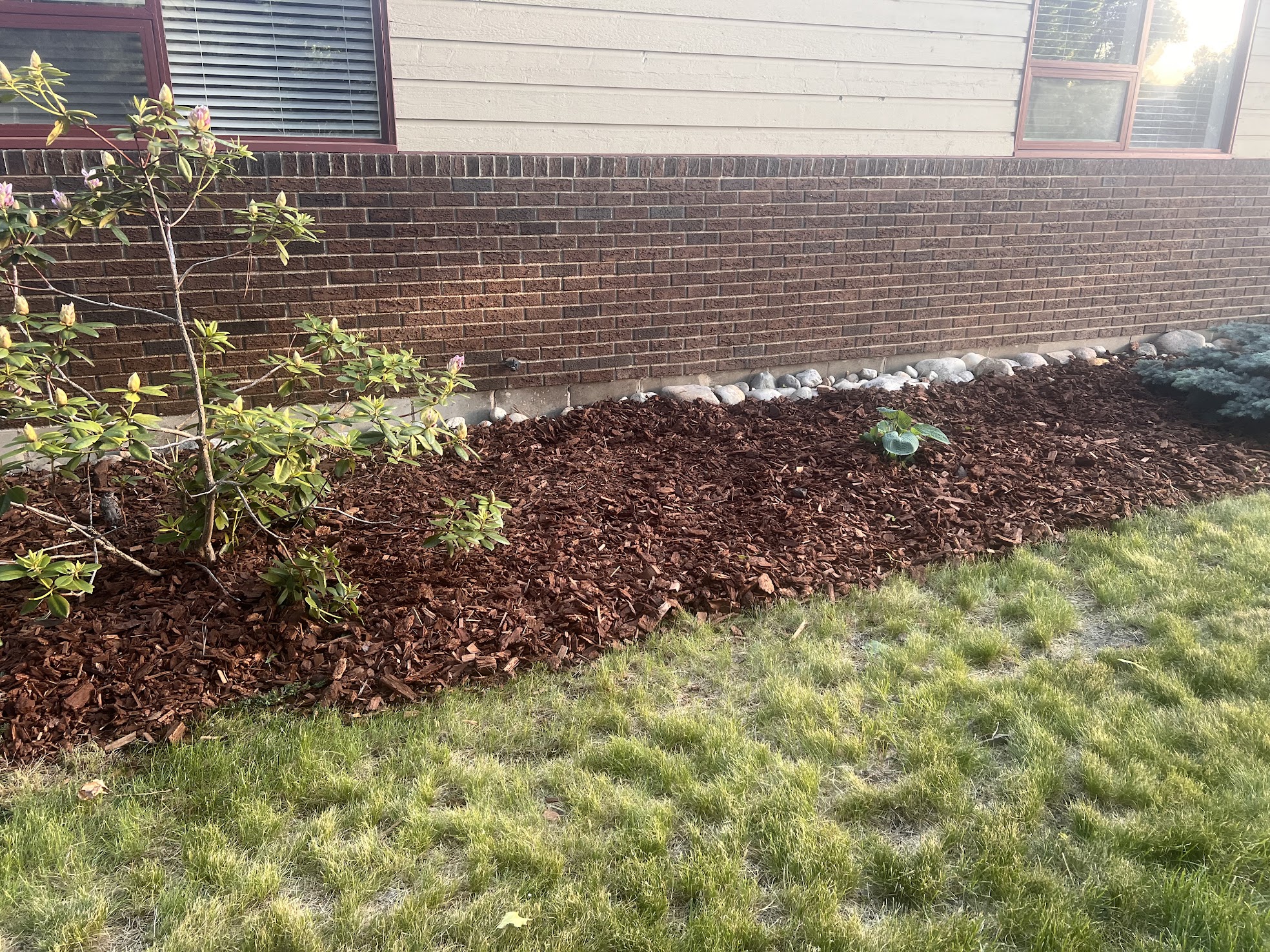
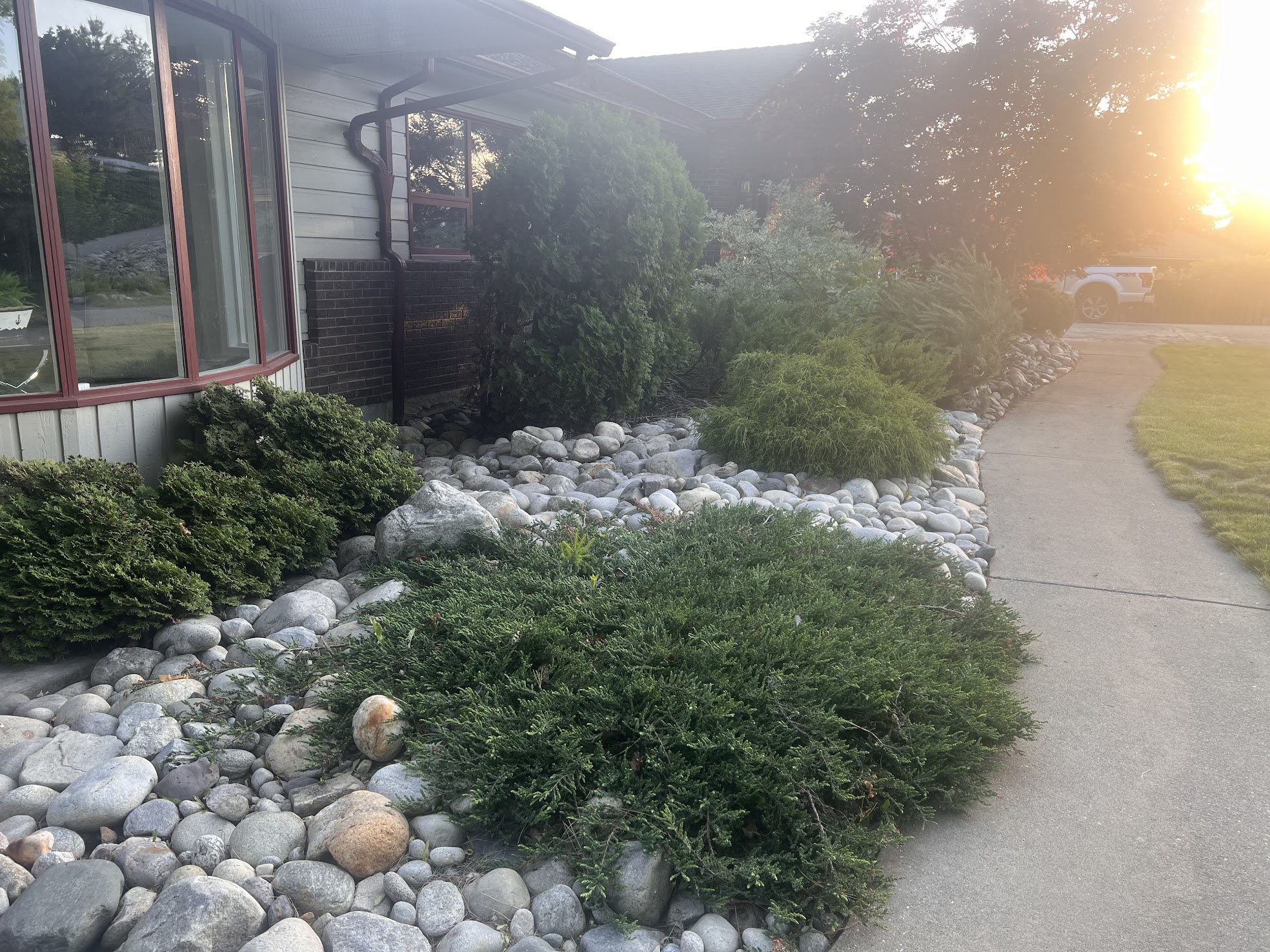
Fresh bark mulch installed along brick building foundation garden bedRiver rock and juniper landscaping at Okanagan property, golden hourCrushed gravel installation at hillside backyard with valley view — Cool Runnings
6b
Hardiness Zone
165 days
Growing Season
mid-April
Season Start

Armstrong is a small agricultural community in the North Okanagan with a cooler, wetter climate than the southern valley. Larger residential properties with more lawn and garden space are common, and the community takes pride in well-kept properties. Spring arrives slightly earlier here than Vernon, with frost risk passing by mid-April in most years.

Downtown Armstrong · Pleasant Valley

What's Included

  • Site assessment and material recommendation
  • Bed preparation and weed removal
  • Landscape fabric installation (for rock applications)
  • Clean edging between all material transitions
  • Bark mulch installation at 3–4 inch depth
  • Decorative rock, river rock, and crushed gravel installation
  • Drainage rock for slopes, borders, and water management areas
  • Spreading and levelling of all material
  • Debris and old material hauled away
  • Post-install cleanup of surrounding areas

Free estimates · No contracts · No hidden fees

Call or text (250) 307-9220

How It Works

1
Free Estimate & Material Selection

We walk your beds and slopes, measure coverage area, and recommend the right material — bark mulch, crushed gravel, river rock, or drainage rock — based on your plants, drainage needs, and aesthetic.

2
Bed Prep & Weed Removal

Existing weeds and debris are cleared from all beds before any material goes down. We don't mulch over a weed problem — we fix it first.

3
Landscape Fabric Installation

For rock installations, we install quality weed barrier fabric before laying any rock. This prevents weeds from pushing up through the material and dramatically extends the life of the installation.

4
Edging

Clean, defined edges between lawn, beds, and rock areas — the detail that separates a professional job from a DIY one.

5
Material Application

Bark mulch is spread to 3–4 inch depth for maximum moisture retention. Rock is spread evenly and levelled. All material stays within the intended areas.

6
Final Cleanup

Any stray material on driveways, lawns, or walkways is swept clean. Debris and old material is hauled away.

Why Armstrong Homeowners Choose Cool Runnings

  • We know the Okanagan climate — we recommend the right material for your specific conditions
  • Weed barrier installed properly — the step most DIY jobs skip
  • Clean edging between all material transitions
  • Full delivery and spreading included — no hauling for you
  • Both bark mulch and all rock types available
  • We work in all weather — spring, fall, and dry summer days

Mulch & Drainage Rocks Tips for Armstrong Properties

  • Apply bark mulch in spring before the dry season starts. A 3–4 inch layer in Armstrong's garden beds can reduce summer watering frequency by 30–50%.
  • Never skip the weed barrier under rock. Without it, weeds will push up through gravel within one season — and removing them is miserable work.
  • Refresh bark mulch every 1–2 years as it breaks down. The decomposing mulch actually improves your soil quality over time — a nice bonus.

Mulch & Drainage Rocks in Armstrong: What You Need to Know

Working with mulch and drainage rocks in Armstrong comes with its own set of considerations. While the North Okanagan sees more rainfall and snow than the central or southern valley, we still experience those long, hot, dry summers where temperatures regularly hit 35C+. This means moisture retention is paramount, and a good 3-4 inch layer of mulch is non-negotiable for keeping plant roots cool and reducing watering needs in those larger Armstrong gardens. The cooler, wetter springs, with frost risk until mid-April, also mean we're mindful of water pooling in low spots, especially on the more extensive residential and agricultural properties common here.

Homeowners in Armstrong often take great pride in their properties, which means a high standard for clean, crisp landscaping. We're dealing with a shorter growing season (165 days) than down south, so getting those beds mulched efficiently after the last frost in mid-April is key to suppressing the early weeds that love our fertile Armstrong soils. Drainage challenges can arise from the heavier snowmelt and spring rains, especially where properties border fields or have subtle slopes that can channel water towards foundations if not properly managed.
Soil & Terrain

The soil in Armstrong, much like other parts of the North Okanagan, often presents with glacial till – a mix of compacted clay, sand, and rocks that can be notoriously poor-draining. In areas bordering agricultural lands in Pleasant Valley, you might find richer topsoil, but compaction can still be an issue. Hillsides and older properties can also have significant rocky terrain. This combination of soil and terrain, coupled with Armstrong's wetter climate, means drainage solutions are frequently necessary. Strategic placement of river rock or crushed gravel can effectively manage surface water runoff, prevent erosion, and alleviate waterlogging in areas prone to pooling, ensuring a healthy landscape.

Seasonal Considerations

The timing for mulch and drainage rock installations in Armstrong is largely dictated by our distinct seasons. As spring arrives around mid-April, with the last spring frost typically behind us, the ground becomes workable, making it the ideal time for bed preparation and laying down fresh mulch. This early application helps suppress the first flush of weeds and locks in soil moisture right as plants begin to emerge, setting them up for success through the 165-day growing season.

Through the summer, while the focus shifts to maintenance, adding or refreshing mulch continues to be crucial for mitigating the impact of our hot, dry spells on established beds. For drainage projects, summer is excellent as dry conditions allow for easier excavation and precise rock placement. As we head into fall, before the first frost in early October, it's a good window to top up mulch for winter insulation, protecting plant roots from Armstrong's colder temperatures and heavier snow loads, while any necessary drainage work can be completed to prepare for spring melt.

Neighbourhoods We Serve in Armstrong

In Downtown Armstrong, where properties tend to be older with moderate lot sizes, the emphasis for mulch often leans towards creating tidy, low-maintenance curb appeal. We frequently install bark mulch in front beds around older homes to keep things neat and reduce weeding, while smaller decorative rock beds might frame entryways. For Pleasant Valley, with its agricultural surrounds and larger properties, the scale of work is often grander. We see requests for extensive bark mulch applications around large garden beds, trees, and defining property lines, especially where homeowners want to convert lawn to more drought-tolerant landscapes. Drainage rock is a common request here to manage runoff from fields, prevent erosion on gentle slopes, or create functional, attractive dry creek beds that handle spring melt effectively across larger expanses.

Example Project

A typical mulch and drainage rock project in Pleasant Valley might involve transforming an overgrown back garden area on a 1.5-acre property. We'd start by clearing out roughly 1,800 square feet of existing weeds and some tired grass near a perimeter fence. The goal is to create new, low-maintenance shrub and perennial beds. We'd lay down commercial-grade landscape fabric across the prepared area, then install new cedar bark mulch to a 4-inch depth for excellent moisture retention and weed suppression, specifically choosing cedar for its natural resilience in our northern climate. Along a section of the property line where surface water tends to collect from an adjacent field, we'd dig a swale and install about 150 linear feet of 2-4 inch river rock, creating a functional, attractive drainage channel that directs water away from the main garden space and minimizes erosion. The project, including all material hauling and site cleanup, generally takes a two-person crew about 2-3 days.

Frequently Asked Questions — Mulch & Drainage Rocks in Armstrong

What's the difference between mulch and decorative rocks for Armstrong properties?

Bark mulch is ideal for planted garden beds and tree rings — it decomposes slowly, improving soil quality, and retains moisture during Armstrong's hot summers. Decorative rock and gravel are better for open areas, slopes, dry borders, and xeriscaping — they're permanent, don't blow away, and require no refreshing. Most Armstrong properties benefit from both: mulch around plants, rock in open and slope areas.

How much mulch do I need for my garden beds?

For effective moisture retention and weed suppression, we apply mulch at 3–4 inches depth. We measure your beds during the free estimate and calculate exact material quantities. There's no guessing — you get an accurate amount, not a rough truckload.

How often do I need to refresh mulch in the Okanagan?

Bark mulch lasts 1–2 years in Armstrong's climate before it breaks down significantly. We recommend a spring refresh every year or every second year to maintain the moisture-retention and weed-suppression benefits through the dry summer.

Can you install drainage rock on slopes?

Yes — drainage and crushed gravel are excellent choices for slopes in Armstrong where erosion, runoff, and water management matter. We install landscape fabric underneath to prevent vegetation from pushing through, and establish clean borders to keep material from migrating.

How much does mulch or rock installation cost in Armstrong?

A typical bark mulch refresh for 2–3 garden beds starts around $200–$400 depending on area and access. Full rock installations for larger areas run more — we'll give you an accurate number at the free estimate. Call or text (250) 307-9220.

What types of rock do you supply and install?

We work with crushed gravel, river rock (smooth rounded stone), drainage rock, decorative chip stone, and black lava rock. We'll recommend the right type based on your drainage requirements, existing landscaping, and aesthetic preference.

With Armstrong's heavier snowfalls, will my mulch just wash away in the spring melt?

Not if it's installed correctly. We ensure a sufficient depth (3-4 inches) and create clean, defined edges for beds. While heavy snowmelt can cause some minor displacement, the bulk of the mulch will stay in place, continuing to protect your plants and soil. We often recommend heavier, interlocking mulches like cedar or fir bark for areas prone to higher runoff.

My property in Pleasant Valley borders an agricultural field and I get a lot of runoff. How can drainage rock help?

For properties in Pleasant Valley experiencing runoff from fields, drainage rock is an excellent solution. We can design and install dry creek beds, French drains, or strategically placed rock swales that effectively capture and redirect this excess water, preventing erosion, protecting your foundation, and keeping your garden beds from becoming waterlogged. This is crucial for managing the higher volumes of water common in these agricultural surrounds during spring melt and heavy rains.

What type of mulch is best suited for Armstrong's cooler, shorter growing season?

Given Armstrong's cooler springs and longer, colder winters, we often recommend organic bark mulches like cedar or fir. These mulches provide excellent insulation, protecting plant roots from temperature extremes. They also break down slowly, enriching the soil over time, and their natural aesthetic complements the many well-maintained properties here. We always assess your specific sun exposure and plant types to give a tailored recommendation.

What Customers Say

⭐⭐⭐⭐⭐

"One of the best things that happened to me this fall was getting a recommendation to have Cool Runnings finish my fall cleanup. Exceeded my expectations! Clean, professional, efficient and priced fair. Highly recommend!"

— Karen Cleland
⭐⭐⭐⭐⭐

"Ramoy and his helper did a fantastic job cleaning up my scrubs"

— Darlene Jaeger
⭐⭐⭐⭐⭐

"Ramoy and his team do excellent work! Highly recommended -- I am amazed by the careful and thorough efforts they put into clearing the yard before winter."

— Rollen Lee

⭐ 5.0 stars · 31+ verified Google reviews

Ready to Transform Your Property?

Free estimates, honest pricing, no hidden fees. Call or text in Armstrong today.

📞 Call (250) 307-9220